


Running
Sports nutrition that's easy to take on the move, even without a bottle. Gels, chews and electrolytes for your long run, half marathon and marathon.


No products match this filter.
What do you take on the run?



Three things to look for
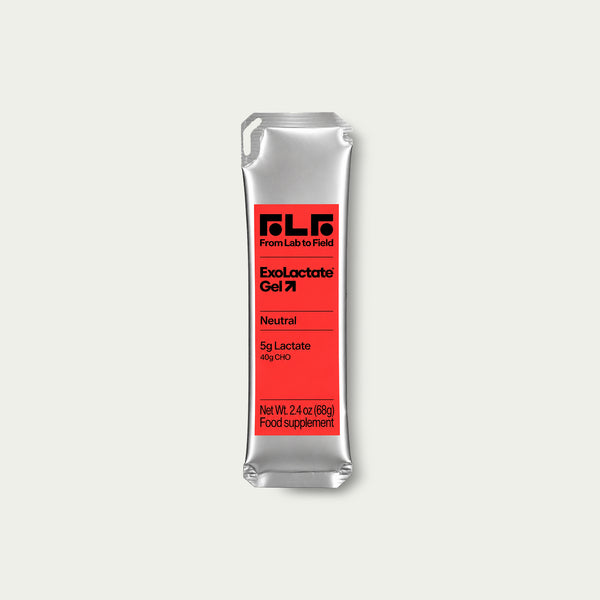
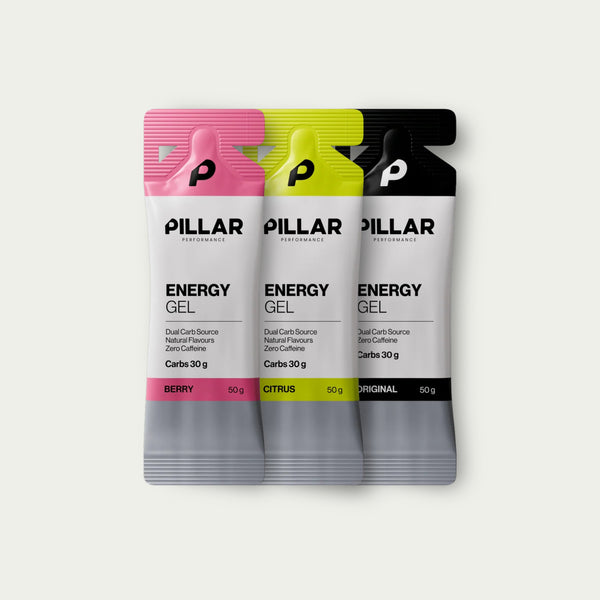
Choose your gel wisely
Isotonic drink gels and hydrogels go down without a sip of water.
First gel
Start early and repeat every 20 to 30 minutes.
Per hour
For the marathon, built up during your long runs.
Running with a flask or race belt? A big pouch like the PF 90 Gel can be taken in small sips, with no loose sachets.
Learn more
Fuelling on the run
Running is the hardest sport to eat and drink in. Your heart rate is high, your stomach bounces with every stride and you usually don't have a bottle with you. That's why sports nutrition for runners is all about compact, fast and easy on the stomach. On a run of up to an hour you usually need nothing. From about 75 minutes, and certainly in the half and full marathon, refuelling makes the difference between a strong finish and hitting the wall.
What to look for
- Gels you can take without water: isotonic drink gels and hydrogels
- Small servings that are easy to carry in a pocket, belt or vest
- A fixed routine: something every 20 to 30 minutes, not only once you feel the dip
- Electrolytes on hot days, because aid stations often only hand out water
How to plan your marathon
Work from your hourly target, not from a fixed number of gels. Most runners aim for 60 grams of carbs per hour; trained runners build up to 90 grams.
Half marathon: 2 to 4 gels, depending on your finish time. The first one after about 45 minutes.
Full marathon: 8 to 12 gels of 25 to 30 grams, or fewer if you use bigger gels. Start in the first hour and stick to your schedule, even when you feel good.
Caffeine: save a caffeine gel for the last 10 to 15 kilometres. Always test the effect on a long run first.
Rehearse your race nutrition on your three longest runs: same gels, same timings, same breakfast. That way, nothing is new on race day.
Avoiding stomach problems
Stomach trouble is the main reason runners eat too little on the move. If that sounds familiar, go for hydrogels or isotonic drink gels, take smaller servings more often and build up your intake over several weeks. A low-fibre breakfast 2 to 3 hours before the start helps too. Chews are a good alternative if you find gels too sweet: you chew them at your own pace on an easier stretch.