


Everything about sports nutrition, in one place
How many carbs per hour, when to take your first gel and how to recover. Choose your sport, a topic or a moment and read on. Short on time? The nutrition finder gives you advice in six questions.
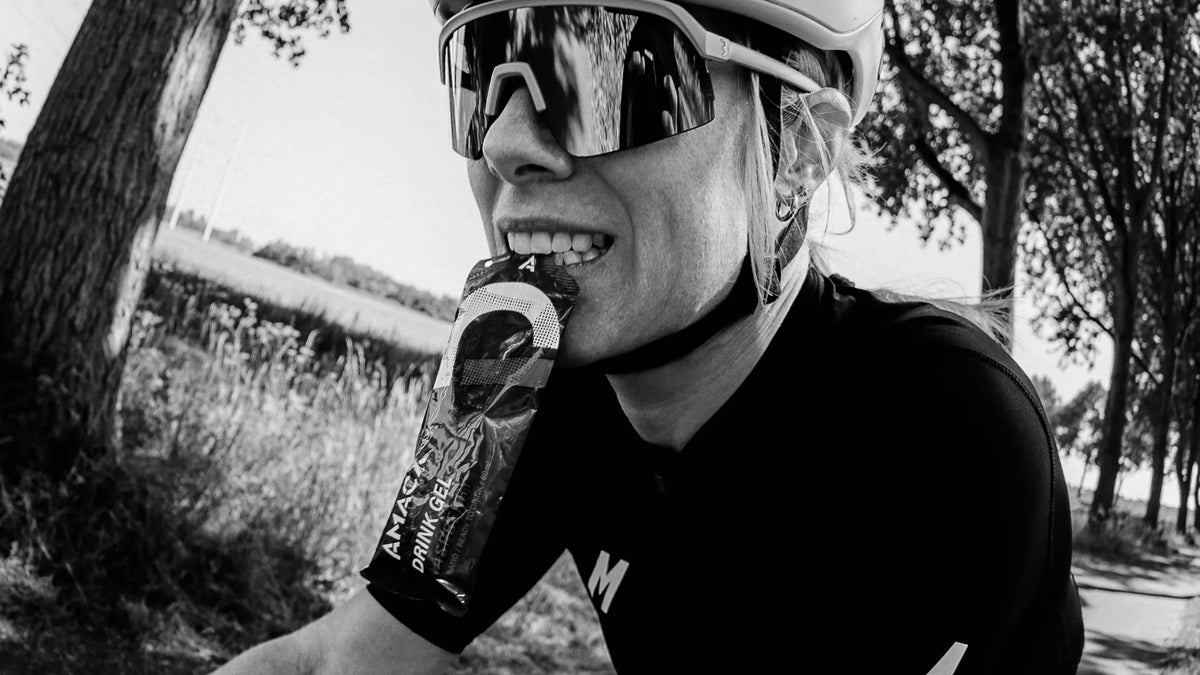
01 · By sport
Advice for your sport
Every sport asks something different of your nutrition. Choose your sport and see what to eat and drink for each distance or duration.
 RunningFrom 10 km to the marathon: when to take your first gel and how much per hour.Read the advice
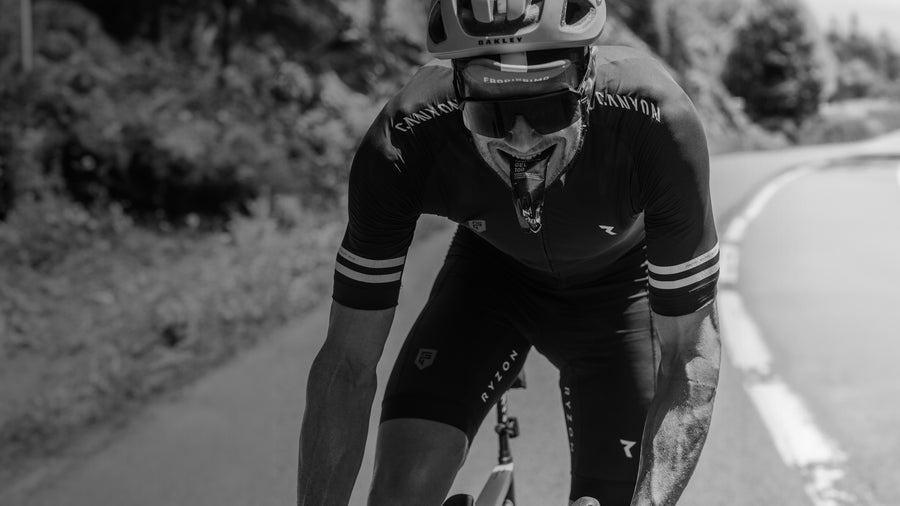 CyclingWhat goes in your bottle and what in your jersey pocket, from training to gran fondo.Read the advice
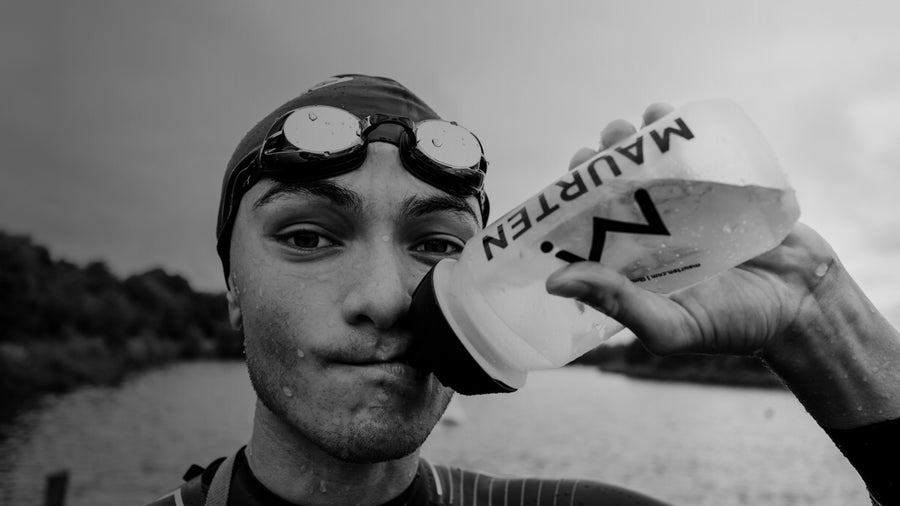 TriathlonNutrition is your fourth discipline. By distance, from sprint to full distance.Read the advice
 HYROXBy finish time: what to eat before your heat, during the race and afterwards.Read the advice
02 · By topic
The complete guides
Our guides go into depth. With figures, explanation and advice you can apply straight away in your training or race.
03 · Before, during and after
What do you eat when?
Sports nutrition is mostly about timing. Choose a moment and see the figures, the steps and where to read more.
A good race starts in the days before. Top up your carbohydrate stores, eat something familiar on the day itself and don't test anything new on race day.
36 to 48 hours
before a marathon or long race: 8 to 12 g of carbohydrates per kilo per day
2 to 3 hours
before the start: a light breakfast with 1 to 4 g of carbohydrates per kilo
15 to 30 min
before the start: a gel or caffeine gel if you like, only if you've tested it
How to approach it
- 1The days beforeFor a marathon or long race, eat carb-rich meals for two days: pasta, rice, bread and less fibre.
- 2The evening beforeA normal meal that you know. Don't overeat, because breakfast counts just as much.
- 3BreakfastLight and high in carbs, with little fat and fibre: white bread with jam, porridge or a banana.
- 4Just before the startA few sips of sports drink or a gel. Caffeine only if you've tested it in training.
Out for less than an hour? Then a good breakfast is enough and you don't need to carb-load.
Start early, long before you feel anything. What you take in along the way doesn't have to come from your stores. Little and often works better than a lot in one go.
30 to 60 g
of carbohydrates per hour for an effort of 1 to 2 hours
60 to 90 g
per hour for 2 to 3 hours or for a race at a high pace
90 g and more
per hour for longer efforts, with a trained gut and the 1:0.8 carbohydrate ratio
How to approach it
- 1Your first gel20 to 30 minutes after the start. Don't wait until you start to tire.
- 2Then a steady rhythmA gel or a few sips of sports drink every 20 to 25 minutes. Set an alarm on your watch.
- 3Drink enough500 to 750 ml per hour. If you're out for longer than 90 minutes, go for 500 to 1,000 mg of sodium per litre.
- 4Hot weather or a salty sweater?Then you need more sodium, up to 1,500 mg per litre. Test your strategy in training.
Work out your own schedule with the calculator in the carbohydrate guide.
After a long or hard effort, recovery comes down to three things: carbohydrates to replenish your stores, protein for your muscles and fluid with a little salt.
1 to 1.2 g
of carbohydrates per kilo per hour, in the first four hours after the finish
20 to 40 g
of protein per meal or snack for your muscle recovery
125 to 150%
of the fluid you lost: that's how much to drink back in the hours afterwards
How to approach it
- 1The first hourCarbohydrates and protein, for example a recovery drink or a sandwich with chocolate milk.
- 2The rest of the dayRegular meals with enough carbohydrates and protein. Drink throughout the day.
- 3The days afterProtein with every meal. Walking or easy cycling helps with stiff legs.
- 4Training againOnly once you can walk down the stairs without pain. Start short and easy.
After a regular one-hour training session, a normal meal is usually enough.
04 · By brand
Advice by brand
We recommend sticking to one brand. That way your gel, drink and recovery work together and you know exactly what you're taking in.
Precision Fuel & Hydration
Gels and electrolytes in fixed strengths, from PH 250 to 1500.
View the collectionWhich brand suits you?
Answer six short questions about your sport, your duration and your stomach. You'll see straight away what suits you.
Try the nutrition finder05 · Blog
New on the blog
06 · Questions
Frequently asked questions
The questions we get most often, answered briefly. You'll find more questions about ordering and shipping in the frequently asked questions.
How many carbohydrates do I need per hour?
For 1 to 2 hours of exercise, 30 to 60 grams per hour is enough. For 2 to 3 hours or a race at a high pace, take 60 to 90 grams. If you're out for longer and you've trained your gut, 90 grams or more is possible. Read the carbohydrate guide.
When do I take my first gel?
20 to 30 minutes after the start, so before you start to tire. After that, take a gel or a few sips of sports drink every 20 to 25 minutes.
Do I need electrolytes or is water enough?
If you're out for less than 90 minutes, water is usually enough. The exception: heat, or if you're a salty sweater. If you're out for longer, go for 500 to 1,000 mg of sodium per litre. Read the electrolyte guide.
Which sports nutrition suits me?
That depends on your sport, how long you're out for and what your stomach tolerates. In the nutrition finder you answer six short questions and see straight away what suits you.