




Vegan Sports Nutrition
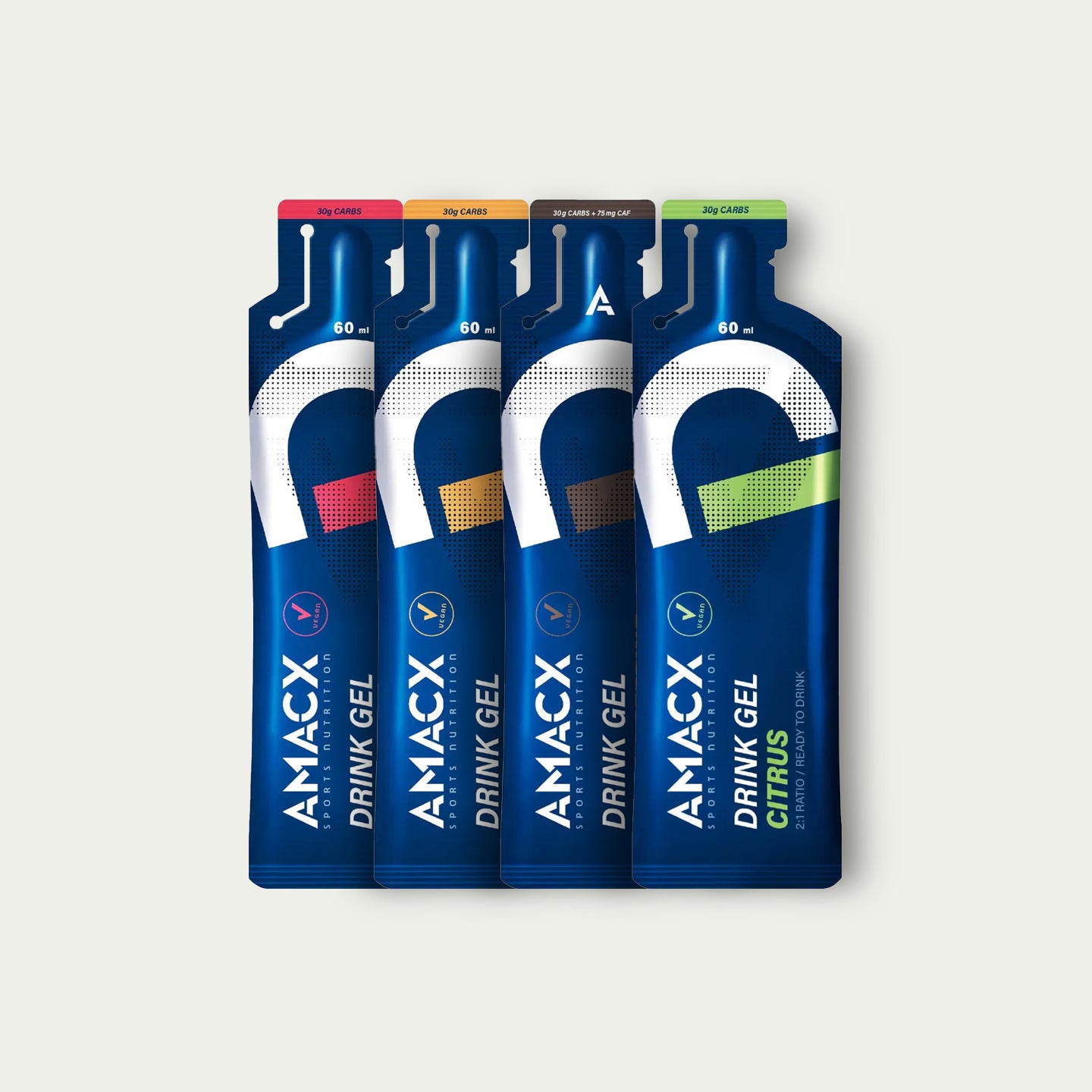
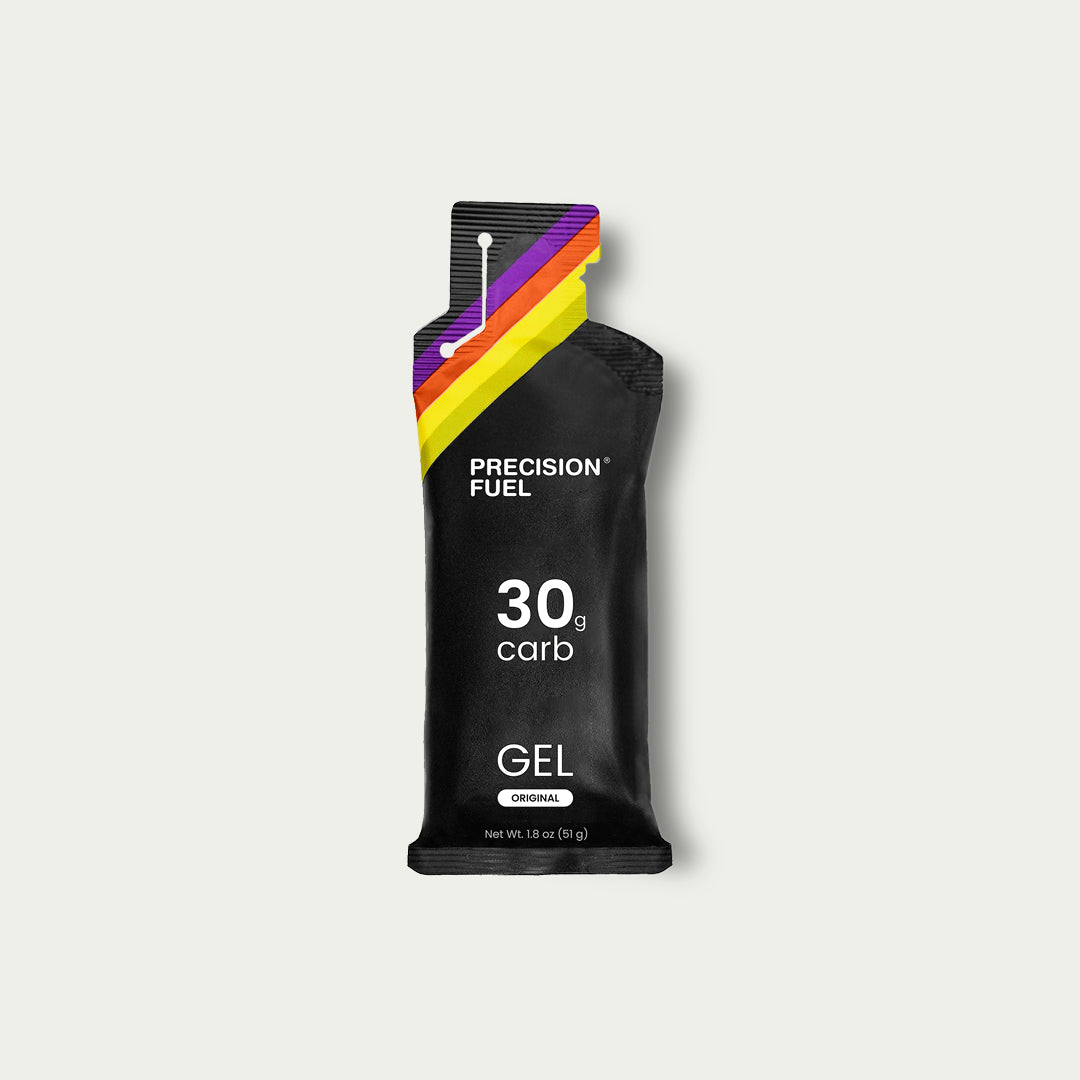
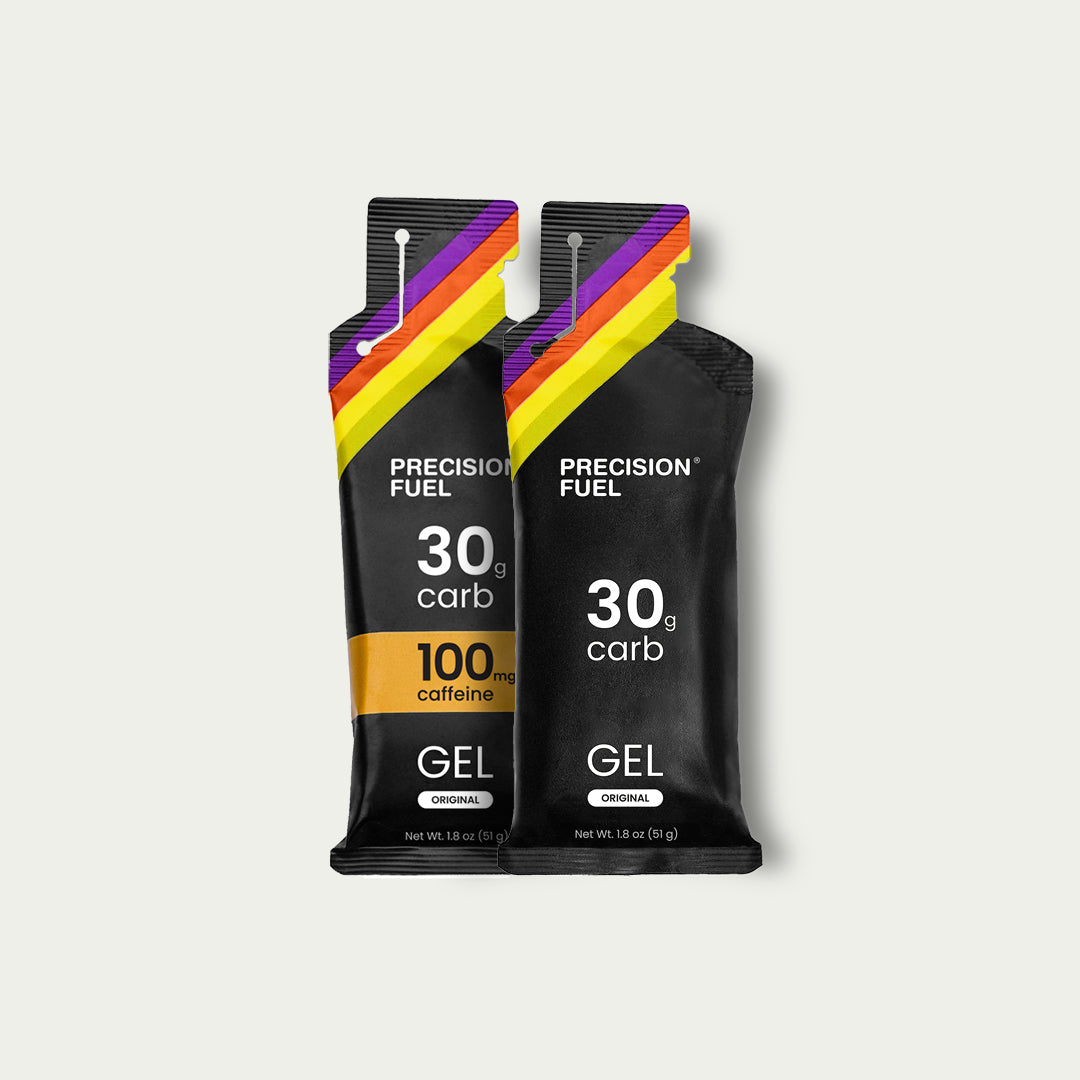
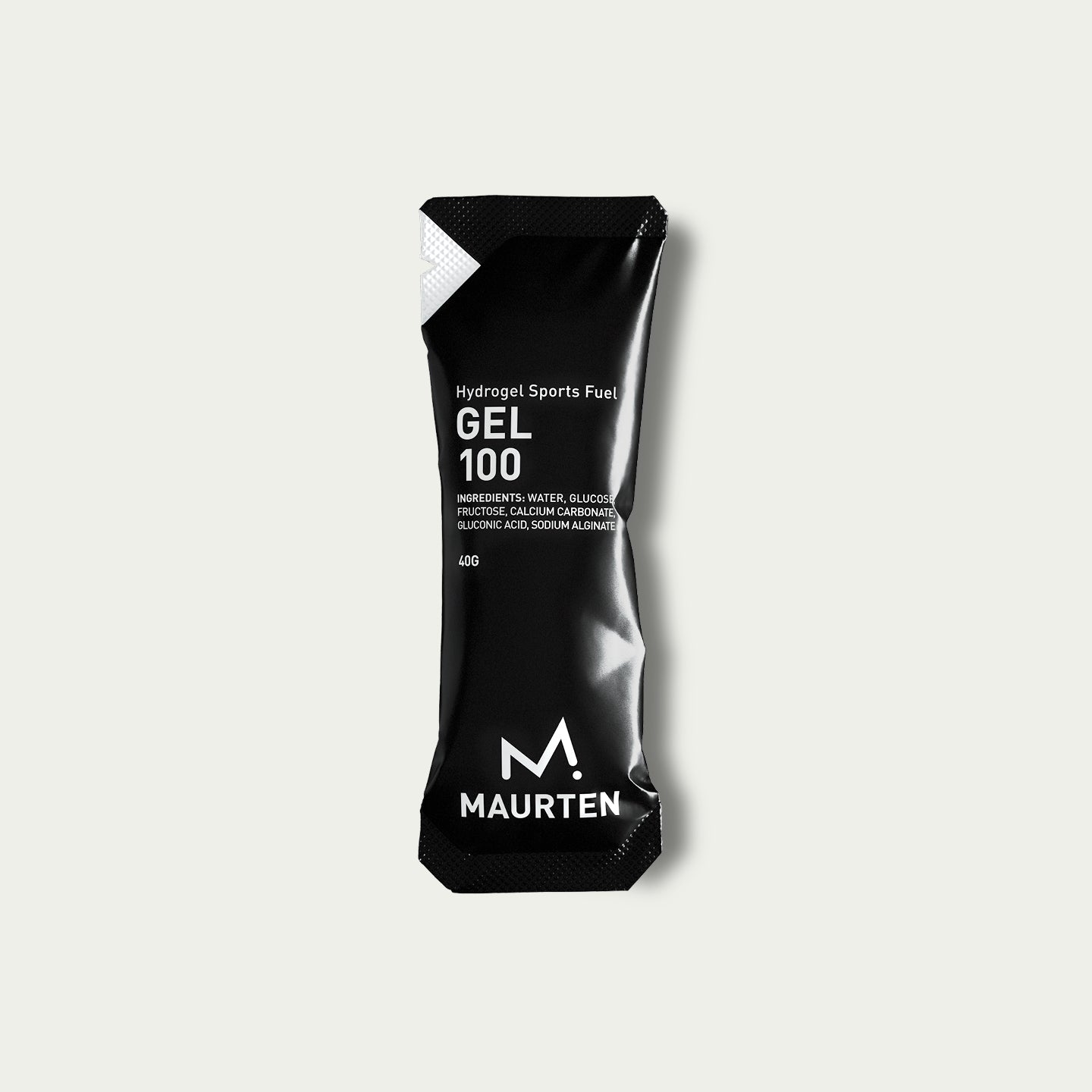
Fully plant-based sports nutrition with the same performance. Gels, drinks, chews, bars and electrolytes without animal ingredients.





No products match this filter.
What are you looking for?



Three things to know
Plant-based
No gelatine, dairy, egg or honey.
Same performance
The same carbs as regular sports nutrition.
Check the label
Not every flavour in a range is vegan.
Not sure about a flavour? Every product page shows whether each variant is vegan.
Learn more
Why vegan sports nutrition
Good news for plant-based endurance athletes: most modern sports nutrition is vegan by nature. Carbs from glucose, fructose and maltodextrin come from plants, so vegan sports nutrition performs exactly the same as everything else on the shelf. In this collection you'll find all the plant-based sports nutrition at SportvoedingDirect: energy gels, sports drinks, energy bars, chews and supplements without animal ingredients, from top endurance brands. Fully suited to cycling, running and triathlon. Browse the current range above and read below why plant-based performance works so well.
Pros
- Same performance: plant-based carbs are exactly the same fuel as in regular sports nutrition
- A fully vegan race plan is possible: from sports drinks and gels to bars and chews
- Often short, natural ingredients lists without unnecessary additives
- Automatically lactose-free: also ideal if you're lactose intolerant or have a sensitive stomach
- Vegan and gluten-free options for anyone who needs both
- A more sustainable choice: plant-based production puts less strain on the environment
Good to know
- Not everything is vegan: soft bars and nougat sometimes contain egg and many gummies contain gelatine, so always check the product page
- Recovery shakes are often based on whey protein (dairy): check the protein source before you order
- If you're vegan, vitamin B12, iron and your total protein intake deserve extra attention in your daily diet
- Recipes can differ per flavour: the allergen list on the product page always has the final say
The benefits of vegan sports nutrition
Perhaps the biggest benefit is that there's no downside: during exercise, it's all about carbs, fluid and sodium. In plant-based sports nutrition, those are identical to regular sports nutrition. You'll reach the same 60 to 90 grams of carbs per hour. More and more top athletes eat a (partly) plant-based diet without giving up any performance.
Vegan sports nutrition also has a few practical advantages. Plant-based products are automatically lactose-free, which is welcome for the many endurance athletes with a sensitive stomach or lactose intolerance: less risk of gut trouble deep into your race. Vegan brands also often work with short, natural ingredients lists, so you know exactly what you're taking in. And if you want to combine your sport with a smaller footprint, plant-based sports nutrition is also the more sustainable choice for the environment.
How to recognise vegan sports nutrition
Most energy gels and sports drinks are plant-based by nature: they're made from carbs (glucose, fructose, maltodextrin), water, electrolytes and flavourings. There are three categories where you do need to pay attention. First, soft bars and nougat: these sometimes contain egg as a binder. Second, gummies and some chews: these regularly use gelatine (animal-derived), while vegan versions use pectin from fruit. Third, recovery products: many recovery drinks are based on whey protein from dairy. If in doubt, the allergen list on the product page always has the final say. The same goes for honey as a sweetener: technically an animal product, so check the label if you eat strictly vegan.
A fully vegan race plan: from start to finish
With plant-based sports nutrition, you can put together a complete race plan of up to 90 grams of carbs per hour. The table shows which format suits which moment.
| Your moment | Your vegan choice |
|---|---|
| Before the start (60 to 90 min) | A plant-based energy bar: top up your glycogen stores without feeling full. |
| In your bottle | Vegan sports drink: isotonic for training, a high-carb mix for races. |
| The first few hours | An oat bar, a fast bar or fruit chews: solid food for as long as chewing feels comfortable. |
| High intensity | Energy gels: fast plant-based carbs with no chewing. |
| The finale | A caffeine gel: caffeine comes from plants, so this boost fits into your vegan plan too. |
Always test your race combination in a long training session first. That way you know for sure that your gels, bars and drinks sit well together at the moment that counts.
What to watch as a plant-based endurance athlete
Your sports nutrition during exercise is easy to sort, but in your daily diet three things deserve extra attention. Vitamin B12 is found almost exclusively in animal products: for vegans, supplementing isn't optional, it's a must. Iron from plant sources is less easily absorbed: eat plenty of it and combine it with vitamin C. And keep an eye on your total protein intake for recovery, because plant-based protein sources often provide a little less per serving. In our guide Plant-Based Performance you can read all about it, including practical nutrition tips for each nutrient.