


Supplements
A deliberately compact selection of well-researched supplements. For the final few percent, once your foundation of training, nutrition and sleep is in place.
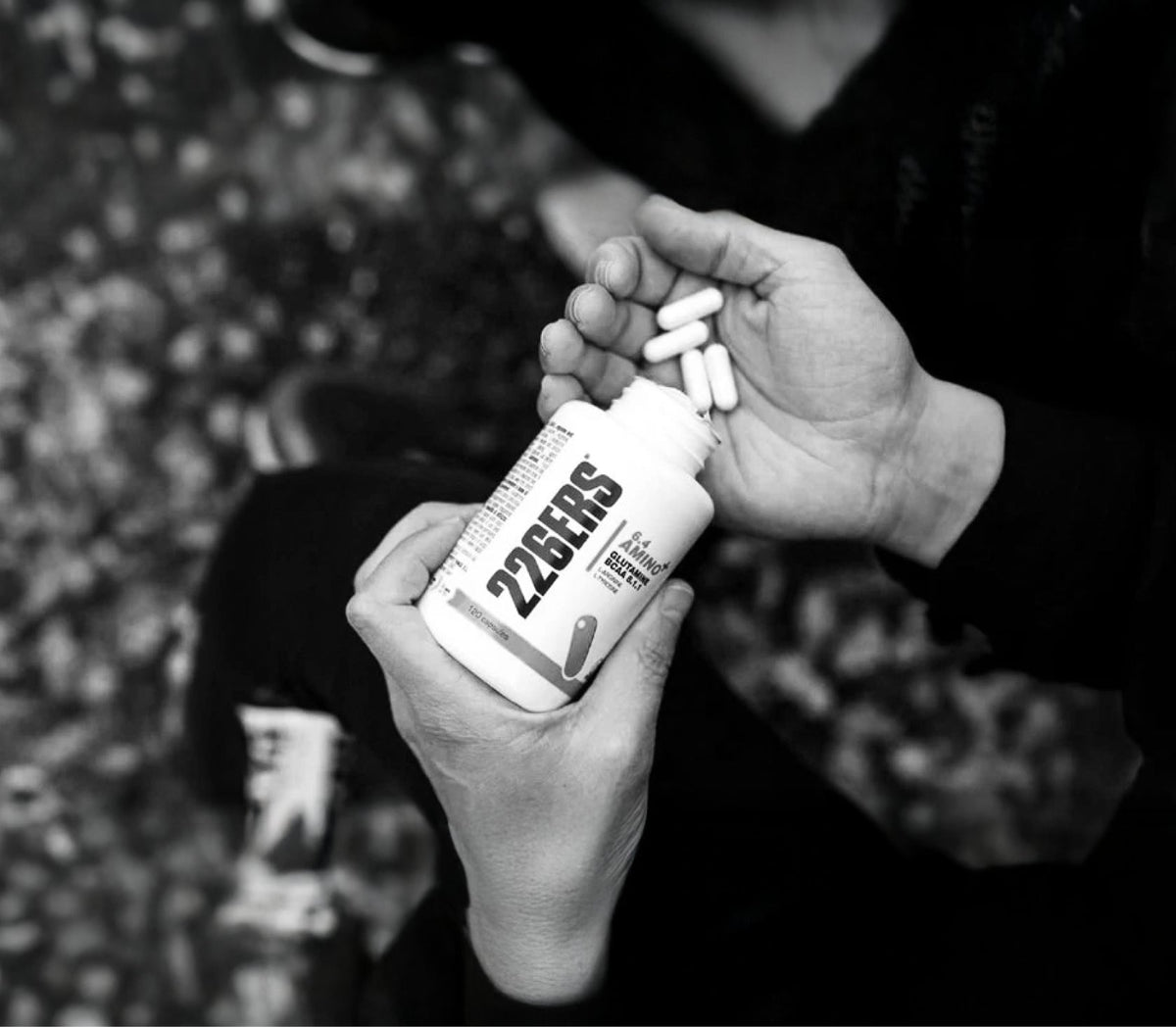
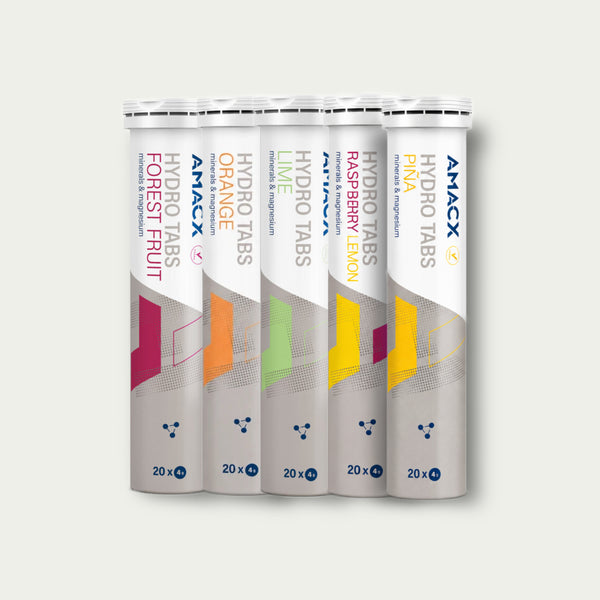


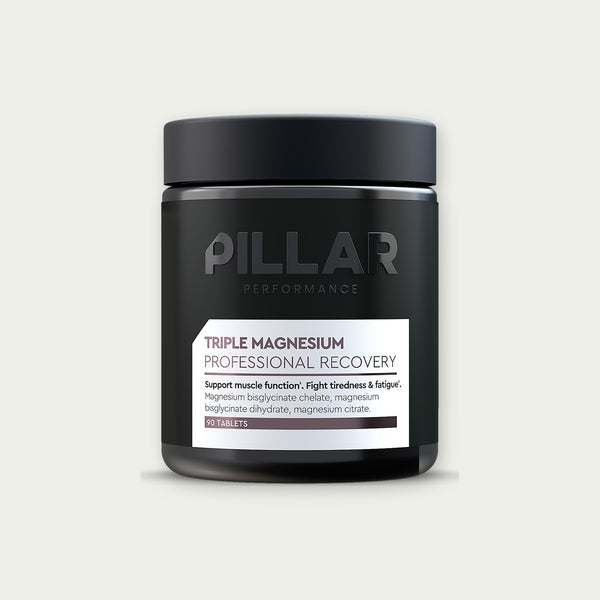
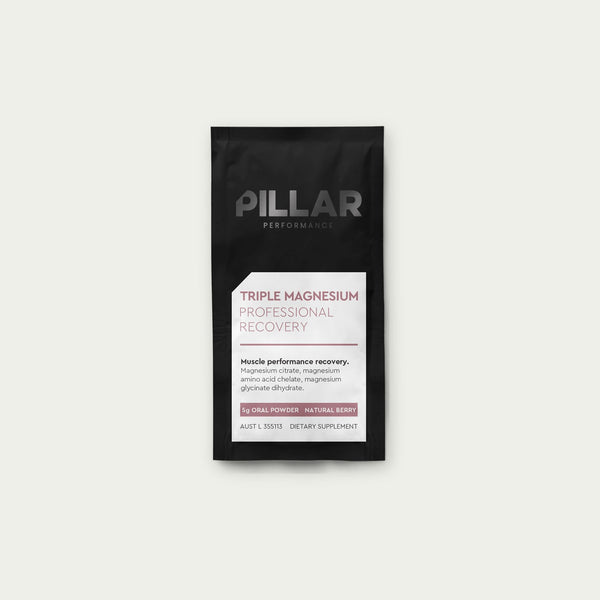
No products match this filter.
Where do you want the edge?






Three things to look for
Creatine per day
Every day, timing doesn't matter.
Caffeine
30 to 60 minutes before the moment that counts.
Batch-tested
With supplements in particular, certification is crucial.
Supplements are the final few percent. Training, nutrition and sleep make by far the biggest difference.
Learn more
Why sports supplements
Let's be honest: supplements are the final few percent, not the foundation. Training, nutrition and sleep make by far the biggest difference. But once that foundation is in place, a small group of well-researched substances can give you that little bit extra: creatine, caffeine, beta-alanine and nitrate from beetroot, backed up by targeted support such as tart cherry, amino acids, omega 3 and a multivitamin. Above you'll find our deliberately compact selection of sports supplements. Below you'll read what each supplement does, at what dose it works and why batch-testing for banned substances matters so much with supplements in particular.
Pros
- A deliberately compact selection: only supplements with a clear role for endurance athletes
- Well-researched substances such as creatine and caffeine, in doses that actually make a difference
- Batch-tested products: independently checked for banned substances
- Something for every goal: strength and explosive power, buffering acid build-up, focus, recovery and sleep
- Practical formats: capsules, tablets, powder, shots and gummies
Good to know
- Supplements are the final few percent: training, nutrition and sleep make by far the biggest difference
- Substances such as creatine and beta-alanine only work after weeks of daily use, not from a single dose
- More is not better: stick to the dose on the pack
- If you take medication or have a medical condition, check with your doctor or sports physician first
Which supplements actually work?
The supplement market is full of promises, but the science is strict: only a handful of substances have convincing evidence for sports performance. For endurance athletes, that mainly means creatine, caffeine, beta-alanine and nitrate. Around those sits a second ring of useful support: tart cherry for recovery around races, amino acids for ultra efforts, and omega 3 plus a multivitamin as a base. Everything else is uncertain at best. That's why we've deliberately kept our range compact.
| Substance | What it's for | How to use it |
|---|---|---|
| Creatine | Performance in short, explosive efforts and maintaining strength | 3 to 5 g per day, every day, timing doesn't matter |
| Caffeine | Alertness and focus at the moments that count | 3 to 4 mg per kg, 30 to 60 min beforehand, test it first |
| Beta-alanine | Buffers acid build-up during intense efforts lasting a few minutes | Daily, spread over small doses, built up over several weeks |
| Nitrate (beetroot) | Used to support oxygen efficiency | In the days before and 2 to 3 hours before the start |
| Tart cherry | Helps limit muscle damage and supports sleep | Load for 4 to 7 days around races, a serving before bed |
| Omega 3 and multi | Basic support alongside your normal diet | Daily with a meal, as directed on the pack |
Creatine for endurance athletes: more than a strength supplement
Creatine is the most researched sports supplement in the world, and it's long since stopped being just for the gym. It increases your phosphocreatine stores: the energy source for short, explosive efforts. For endurance athletes, that means more power in the finishing sprint, better interval sessions, more out of your strength training in the winter block and holding on to muscle strength during heavy training months.
Using it is simple: 3 to 5 grams per day, every day. When you take it doesn't matter. A loading phase can speed up the effect but isn't necessary: after 3 to 4 weeks of daily use your stores are full anyway. Expect a slight weight gain of around a kilo as your muscles hold more fluid: negligible for most athletes, but something pure climbers should weigh up. Choose a product based on pure creatine monohydrate, the gold standard in almost all the research.
Caffeine and beetroot: your race-day supplements
Caffeine temporarily blocks the receptors that signal fatigue: you feel more alert and the effort feels easier. The guideline is 3 to 4 mg per kg of body weight (for a 70 kg athlete, that's 210 to 280 mg), taken 30 to 60 minutes before the moment that counts. You can take it as tablets, but also via caffeine gels or a caffeinated drink mix during the race. Use it sparingly: if you drink a lot of coffee every day, you'll notice less effect. Too much caffeine also causes palpitations and an unsettled stomach.
Beetroot is rich in nitrate, which your body converts into nitric oxide: a compound that widens your blood vessels and is used to support oxygen efficiency. Take a concentrated beetroot shot in the days before and 2 to 3 hours before the start. Don't be alarmed by red-coloured urine: it's harmless and part of the deal.
Test your full race-day routine (caffeine, beetroot shot, breakfast and sports nutrition) at least once in a long training session. What your stomach accepts in training, it will also accept under race-day nerves.
Safe supplementing: why batch-testing matters so much
Of all sports nutrition, supplements carry the highest risk of contamination with banned substances: powders, capsules and tablets are often made in factories that also produce other products. That's why there are independent certifications that check every production batch for substances on the doping list, such as Informed Sport and the Cologne List. The brands in our range work with this certification: check the certification for each product on its product page.
Beyond that, three simple rules apply. One: stick to the dose on the pack, because with supplements more is almost never better. Two: introduce supplements one at a time, so you know which one does what. Three: if you take medication, are pregnant or have a medical condition, check with your doctor or sports physician before you start a supplement.